
California, August 26, 2025
News Summary
California’s high-speed rail project, initially budgeted at $33 billion, now faces cost estimates of $128 billion and a completion timeline extended to 2038. Despite construction currently in progress in the Central Valley, concerns regarding funding sources and financial sustainability remain. State lawmakers emphasize the project’s potential for economic growth and job creation, while legislative measures are being pursued to address funding obstacles.
California is grappling with escalating costs and delays associated with its high-speed rail project, initially approved by voters in 2008 at a budget of $33 billion. Recent estimates predict that the total completion cost could rise to a staggering $128 billion, with the current expected timeline extending to 2038 for significant segments of the project.
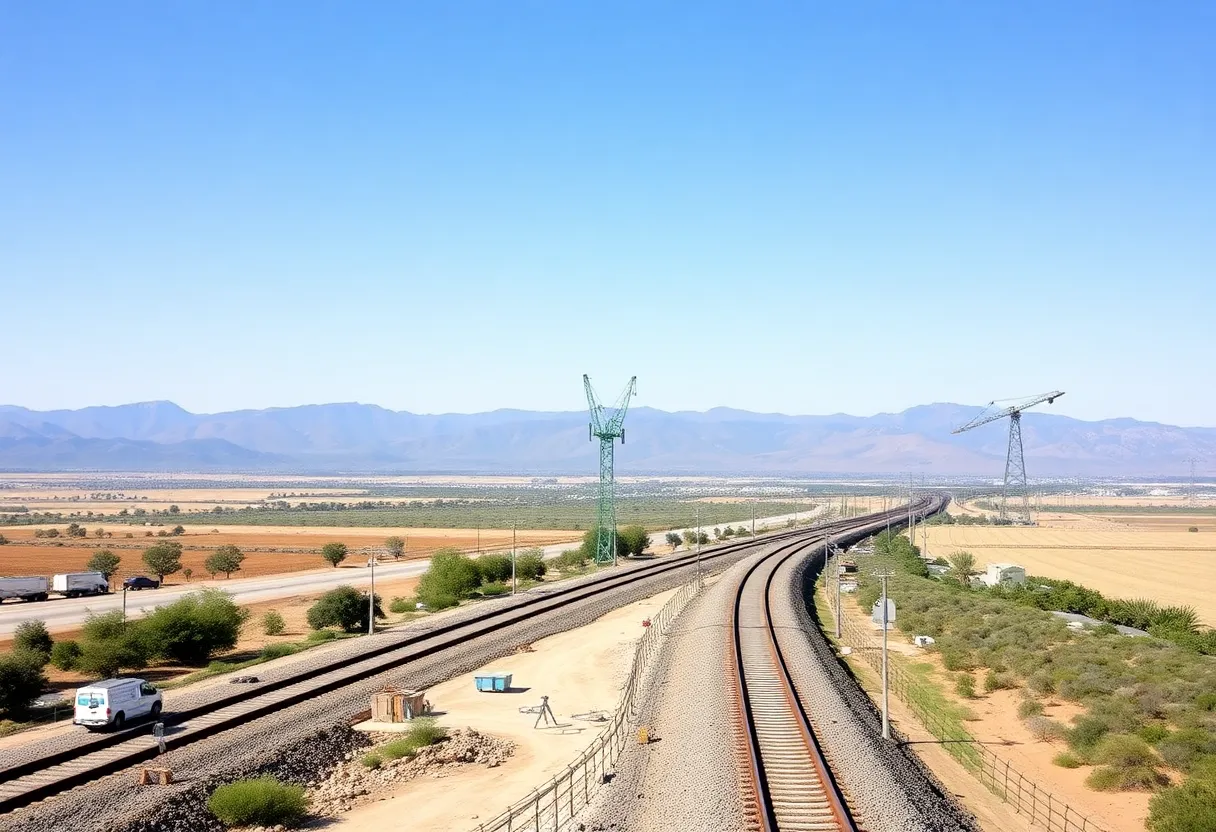
As it stands, only construction for the 119-mile stretch in the Central Valley is underway, which aims to connect Merced to Bakersfield by the year 2032. The bulk of the revised budget, around $87 billion, is earmarked for the line that will extend from Palmdale to Gilroy.
During a recent news conference, state lawmakers and business leaders provided updates highlighting ongoing support for the project despite its challenges. For instance, State Senator Dave Cortese, who chairs the Senate Transportation Committee, underscored the project’s potential for fostering economic growth and delivering valuable environmental benefits, noting that voter support remains strong, particularly among younger demographics.
Legislative initiatives, including a new bill named SB 545, have been proposed to explore alternative funding sources for the initiative. Following the withdrawal of $4 billion in federal funding by the Trump administration, the California High-Speed Rail Authority responded by filing a lawsuit seeking to restore these funds. The administration characterized the project as a “train to nowhere,” sparking further debate about its viability and future.
Despite collecting over $24 billion in funding primarily from state resources, the project has faced significant criticism regarding its financial sustainability, especially from opponents like Republican Senator Tony Strickland. Concerns revolve around whether the extensive financial outlay would ultimately yield a return on investment.
The project envisions a comprehensive rail system stretching about 400 miles upon completion, promising extensive regional connectivity, including a crucial link between San Francisco and Los Angeles. However, the projection of escalating costs raises questions about this ultimate goal being met.
Cortese believes that the high-speed rail will not just provide modern transportation solutions but will also spur economic opportunities, such as housing development along the rail corridors. Meanwhile, a bipartisan committee is currently investigating claims regarding potential misrepresentations of ridership forecasts made by the California High-Speed Rail Authority, reflecting ongoing concerns about the project’s planning and management.
According to projections made by the California High-Speed Rail Authority, the completion of the rail line may create over 1 million jobs and generate roughly $86 billion in labor income. The Authority’s Chief Executive Ian Choudri indicated that the project finds itself at a “crossroads“, signaling the urgent need for enduring financial commitments to ensure its viability.
To address the funding challenges, Cortese has been advocating for public-private partnerships as part of a legislative push to secure the necessary resources for the project moving forward.
FAQ
What is the California High-Speed Rail project?
The project is designed to create a high-speed rail connection between major Californian cities, aiming to improve transportation efficiency and foster economic growth.
What are the current funding challenges faced by the project?
The project has experienced significant budget increases, now estimated at $128 billion, and the withdrawal of $4 billion in federal funding has added to its financial difficulties.
When is the California High-Speed Rail expected to be completed?
While the project was originally slated for completion in 2020, current estimates suggest it may not be completed until 2038 for significant portions.
What areas will the rail connect once completed?
Upon completion, the rail is expected to span approximately 400 miles, linking cities like San Francisco and Los Angeles.
How many jobs will the project create?
The California High-Speed Rail Authority projects that over 1 million jobs could be created as a result of this initiative.
Key Features of the California High-Speed Rail Project
| Feature | Details |
|---|---|
| Initial Budget | $33 billion |
| Current Estimated Budget | $128 billion |
| Expected Completion Date | 2038 |
| Current Construction Region | Central Valley |
| Projected Job Creation | Over 1 million jobs |
| Length of Proposed Track | Approximately 400 miles |
Deeper Dive: News & Info About This Topic
- CBS News: Changes in California High-Speed Rail Project
- Los Angeles Times: Lawmakers Urge Funding for High-Speed Rail
- Newsweek: California High-Speed Rail Plan
- ABC30: Current Status of California High-Speed Rail
- NBC Bay Area: California High-Speed Rail Push
- Wikipedia: California High-Speed Rail
- Google Search: California High-Speed Rail
- Google Scholar: California High-Speed Rail
- Encyclopedia Britannica: California High-Speed Rail Project
- Google News: California High-Speed Rail