
California, August 30, 2025
News Summary
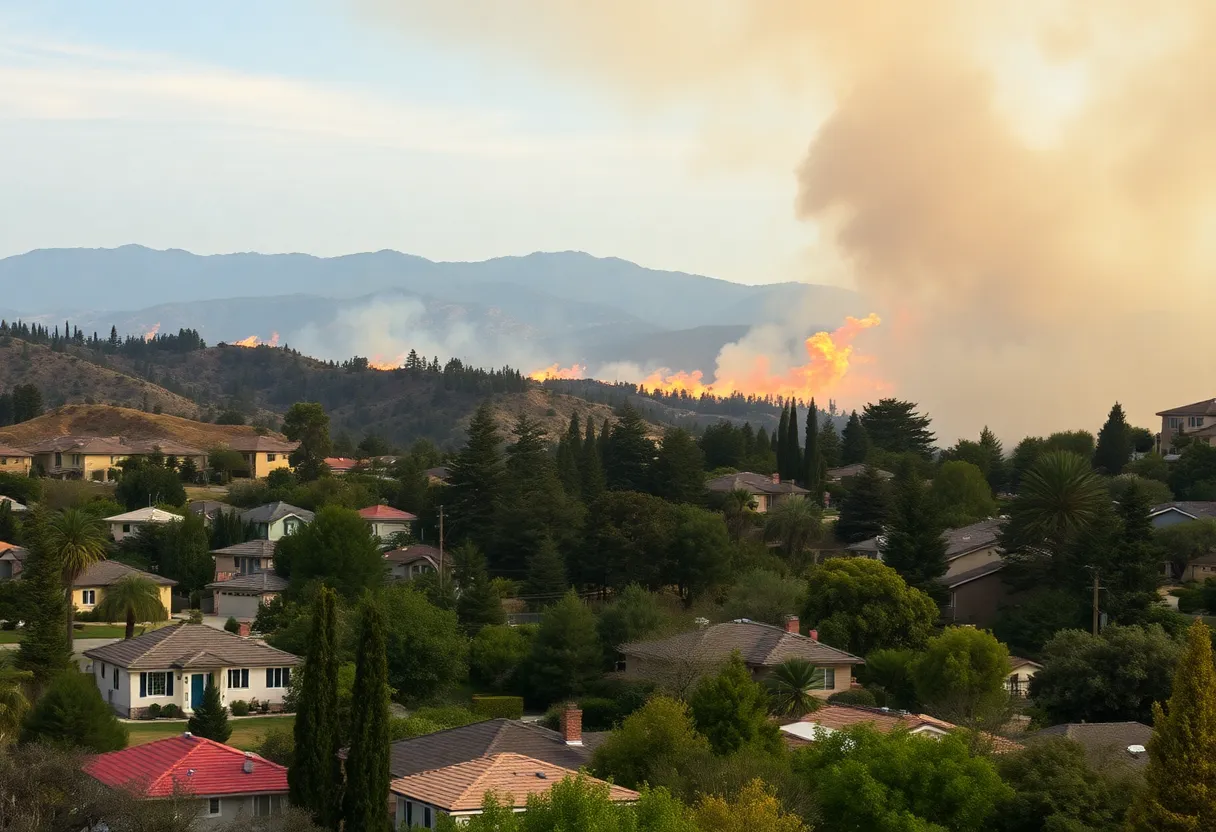
California’s home insurance market may see a 6.9% rate increase as Mercury Insurance and CSAA Insurance file for hikes due to inflation and wildfire risks. These adjustments fall under the state’s new Sustainable Insurance Strategy, which allows insurers to use forward-looking risk models. This reform aims to stabilize coverage while addressing concerns about transparency in rate calculations. Homeowners in higher-risk areas could face larger premium increases, while those in safer zones may see decreases, highlighting the ongoing challenges in the insurance landscape amidst climate change.
California is witnessing a potential increase in home insurance rates as Mercury Insurance and CSAA Insurance have requested a 6.9% rate hike. This request marks the first under the recently implemented Sustainable Insurance Strategy reforms, aimed at addressing the ever-growing challenges within the state’s insurance market.
The two insurers, recognized as some of the largest sellers of home insurance in California, submitted their filings this month. Notably, if the rate hikes had been above 7%, a mandatory public hearing would have been required by the California Department of Insurance. By proposing a 6.9% increase, both companies aim to avoid such hearings, according to observers from consumer advocacy groups.
The new insurance reforms allow insurers to incorporate forward-looking wildfire risk models and re-insurance costs into their rate calculations. While the intention behind these reforms is to provide more comprehensive coverage for homes in high-risk wildfire zones and to incentivize homeowner mitigation efforts, they are also leading to increased rates across the board.
Mercury Insurance has indicated that the proposed rate increase will not be uniformly distributed. Residents located in higher-risk areas may face larger increases in their premiums, whereas those in lower-risk zones might see decreases. Most policyholders will begin to notice the impact of these changes at the end of their current policy terms.
CSAA has justified the rate hike request as a necessary response to rising costs associated with inflation, as well as to address the increasing frequency and severity of natural disasters, including wildfires. Should the rate increase receive approval, CSAA plans to expand its offerings to AAA members in Northern California while also introducing a discount program designed to provide as much as 12.5% off for homeowners who act to mitigate their wildfire risks.
The situations faced by Mercury and CSAA reflect broader trends within California’s home insurance market, especially in areas susceptible to wildfires. Consumer advocates have raised concerns regarding the lack of transparency in how reinsurance costs and wildfire risk models are calculated, since the details of these calculations are not publicly accessible. Furthermore, while the reforms aim to stabilize the insurance market and enhance coverage availability in underserved regions, some argue that merely implementing rate hikes will not address the deeper, systemic issues driven by climate change.
Historically, California’s homeowners have enjoyed relatively low insurance rates due to various restrictions imposed on insurers. The state’s average homeowners’ insurance cost is approximately $1,335 annually, notably lower than the national average of $2,110. However, as insurers like State Farm and Farmers reduce their coverage options in high-risk areas, many residents are turning to the California FAIR Plan, which typically offers less protection.
The recent reforms aim not only to encourage insurers to write more policies in these high-risk areas but also to lessen reliance on the FAIR Plan by providing more viable options for homeowners affected by climate risks. Nevertheless, it remains to be seen how effective these measures will be in the long term, especially as many consumer advocates are concerned that mere rate adjustments will not adequately tackle the fundamental challenges posed by climate change.
Frequently Asked Questions
What is the proposed rate hike by Mercury and CSAA Insurance?
Mercury Insurance and CSAA Insurance have requested a 6.9% rate hike under California’s Sustainable Insurance Strategy.
Why are rate hikes necessary?
The insurers cite increasing costs due to inflation and greater frequency of natural disasters, including wildfires, as reasons for requesting the rate increases.
How will the rate hike affect homeowners?
Homeowners in higher-risk areas may see bigger increases in their premiums, while residents in lower-risk zones could potentially experience decreases.
What are the new insurance reforms?
The reforms allow insurers to incorporate wildfire risk models and re-insurance costs into their rate calculations. They also incentivize homeowners to mitigate wildfire risks.
Key Features of the Rate Hike and Insurance Reforms
| Feature | Details |
|---|---|
| Proposed Rate Hike | 6.9% by Mercury Insurance and CSAA Insurance |
| Reason for Rate Hike | Rising costs due to inflation and increased natural disaster frequency |
| Impact on Homeowners | Variable increases based on wildfire risk; potential decreases in lower-risk areas |
| Sustainable Insurance Strategy | Allows for the inclusion of wildfire risk and reinsurance costs in rate calculations |
| Discount Program | CSAA offers up to a 12.5% discount for homeowners mitigating wildfire risks |
| Average Homeowners’ Insurance Cost in California | $1,335 per year |
Deeper Dive: News & Info About This Topic
- San Francisco Chronicle
- CBS 8
- ABC 7 News
- Insurance Business Magazine
- Newsweek
- Wikipedia: Home Insurance
- Google Search: California insurance rate hike
- Google Scholar: California insurance reforms
- Encyclopedia Britannica: California insurance
- Google News: California insurance news